Aims
The Economics curriculum aims to enable students to:
- Develop an interest in exploring human behaviour and social issues through an economic perspective;
- Understand the world in which they live through mastery of basic economic knowledge;
- Enhance their general intellectual capacity for life-long learning through developing their abilities in economic analysis, so that they possess the skills necessary for reasoning about issues and making rational choices; and
- Participate as informed and responsible citizens in the decision-making processes of a modern democratic society.
Objectives for the year
- To enhance 21st-Century Global Competencies & Future-Readiness, including language skills, science and digital literacy and generic skills for academic and future success.
- To cultivating Well-Being and Competencies through Social Emotional Learning (SEL) in the Economics curriculum
- To advance teacher capacity via professional learning communities
- To nurture students’ entrepreneurial spirit by providing authentic platforms for students to apply economic concepts to business creation.
Members
M. Lum (Convenor), S.L. Chu (Member)
Highlighted Activities
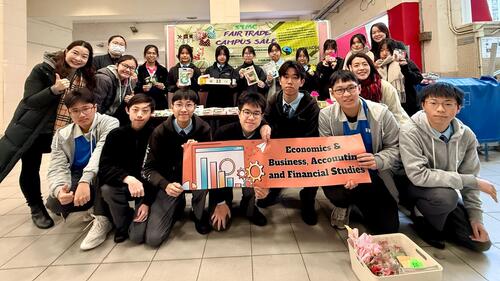
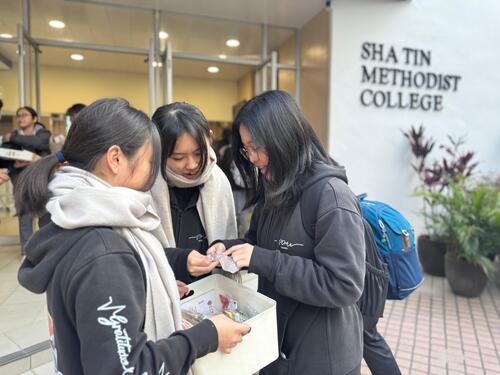
1. STMC Fair Trade Campus Sale
It is a student-led experiential activity designed to foster entrepreneurial spirit. Students take charge of raising capital, selecting products, placing online orders, contacting suppliers, pricing, packaging, promoting, and managing finances. This initiative allows them to apply economic and BAFS concepts while developing skills in creativity, communication, and collaboration. Additionally, it broadens their global perspective by addressing issues like income inequality and child labour in developing countries.
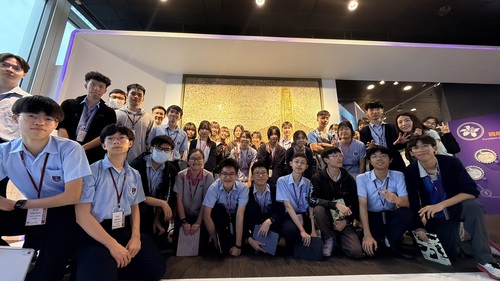
2. Visit firms and Hong Kong Monetary Authority
At the HKMA, our students explore the mechanics of the Linked Exchange Rate System and monetary policy. Through interactive exhibits, they learn how HKMA maintains currency stability, manages official reserves, and regulates banking systems, contextualizing textbook concepts of money, banking, economic and financial security in Hong Kong.
At the Yakult factory, our students see classroom theories come to life. By observing the automated fermentation and bottling lines, they can investigate the real-world production chain, division of labour, and economies of scale.
They also learn how the corporation manages supply chains and cost-efficiency to keep consumer prices affordable.
3. Study tours outside Hong Kong
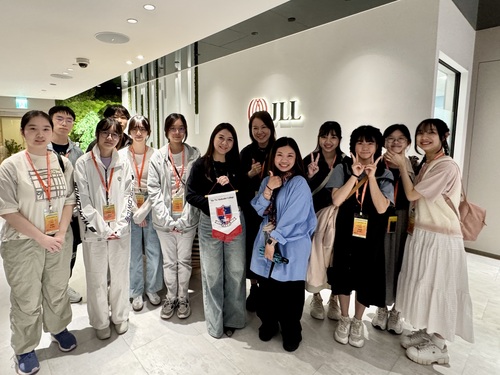
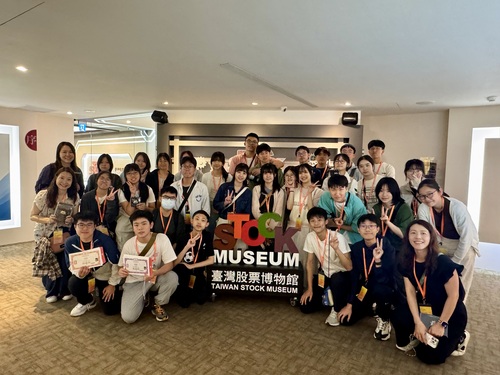
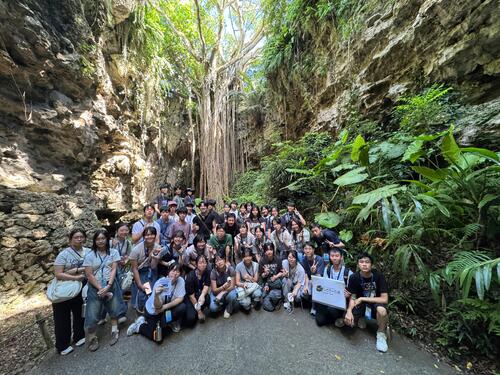
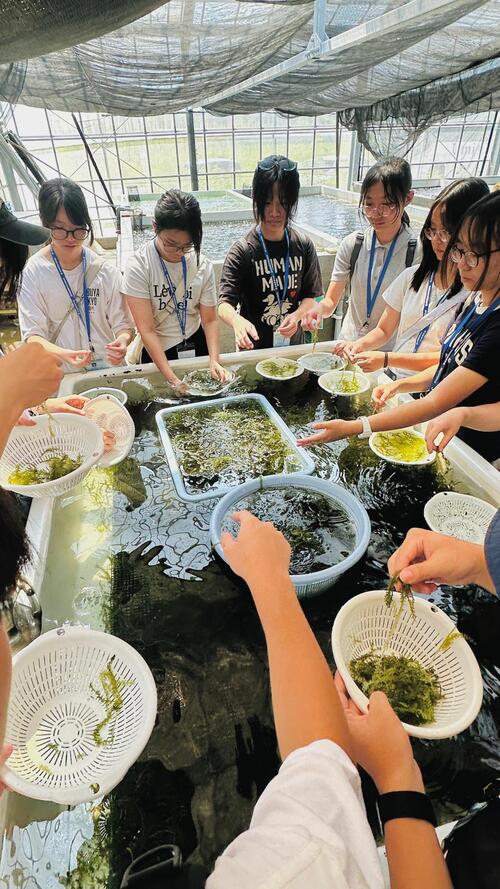
Economics students engage in enriching experiences at enterprises and technology firms in Taiwan and Japan. They explore innovative business practices, gain insights into the dynamic economy, and interact with industry leaders. These visits enhance their understanding of Asian markets, fostering a practical application of economic theories in a real-world context.
4. Business Competition and Project Competition
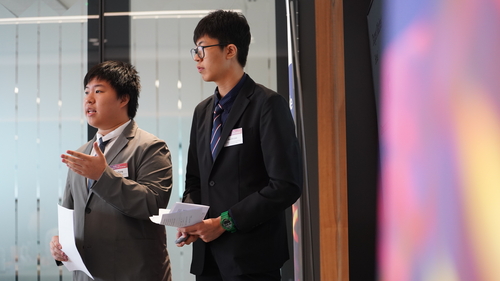
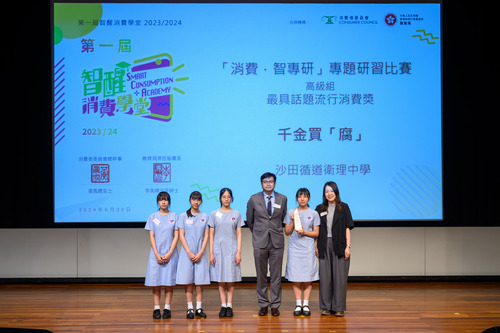
Our students actively participate in different business and project competitions, such as JA International Trade Challenge and Smart Consumption Academy Project Competition. Through conducting research, drafting professional strategic plans and presenting their ideas, our students can enrich their experience and broaden their horizons.
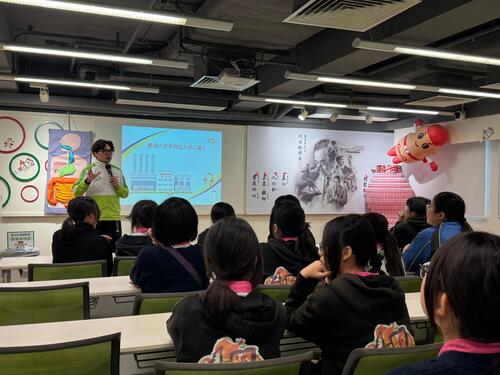
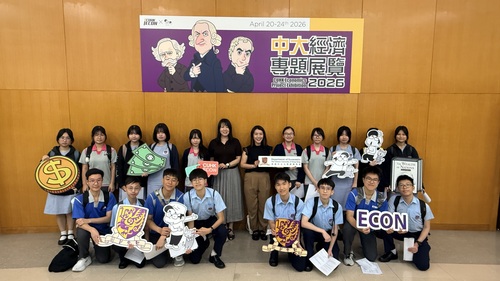
5. Sharing by Economics Professor
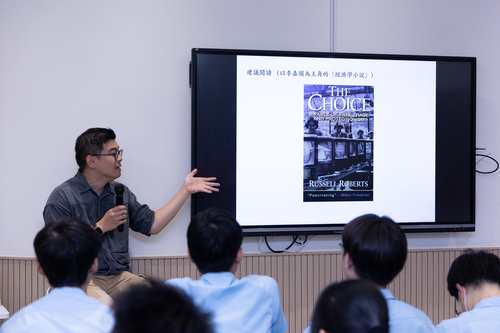
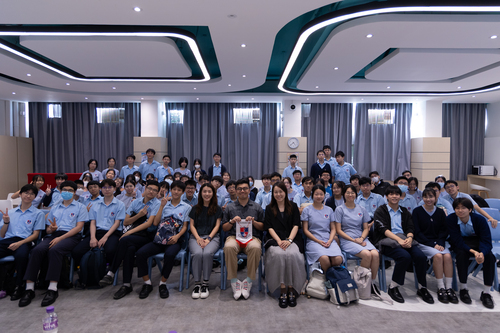
Professor Byron Tsang explored intriguing economic concepts and theories about comparative advantage in the engaging session. He also discussed his reading habits and introduced his latest books to the students. The students found the experience both enlightening and rewarding.